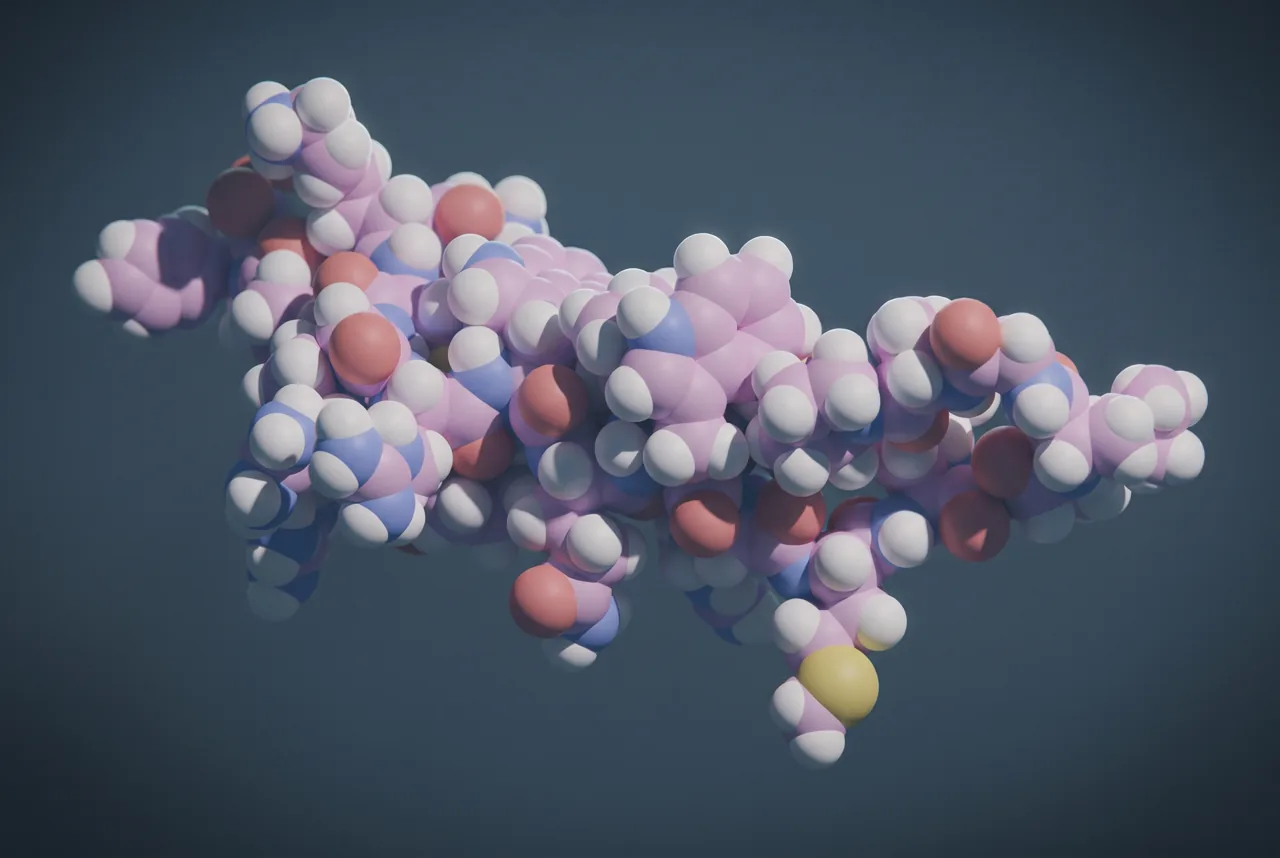
Peptides
Short chains of amino acids — the same building blocks proteins are made of — either found in nature or designed from scratch.
We investigate them for their potential to interact selectively with biological targets, including in infection, bacterial biofilm, inflammation and tissue recovery.
investigate
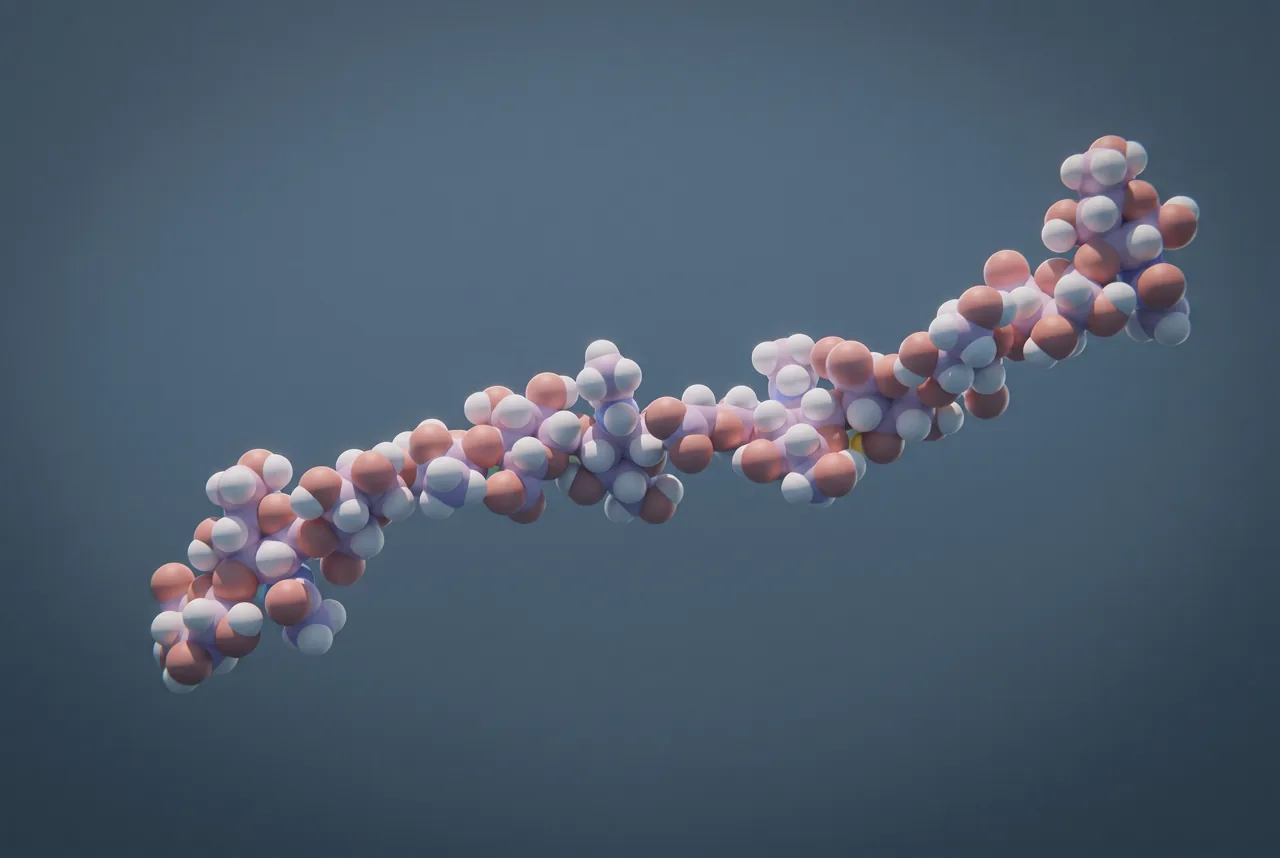
Polysaccharides
Long chains of sugars, natural or engineered. They can act as the therapy, or as the structure that carries one.
We explore their potential roles in bioadhesion, tissue protection, wound support, formulation structure and controlled delivery.
explore
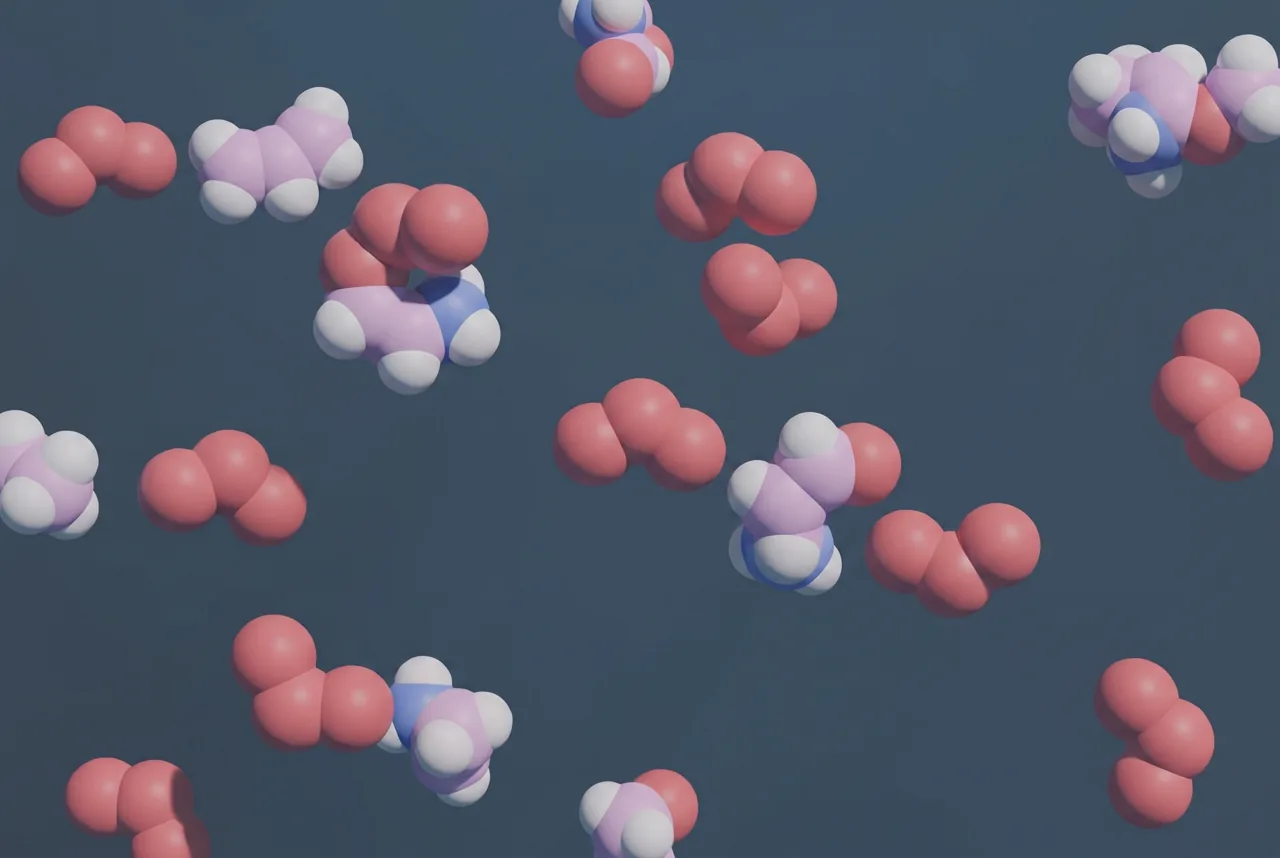
Ozone (O₃)
A gas with distinctive physicochemical and biological properties, and a long history in veterinary use that has rarely been examined rigorously.
We assess where those properties may contribute to local veterinary care. Concepts are evaluated through evidence-based formulation, safety assessment and biological validation appropriate to the intended species and use.
assess
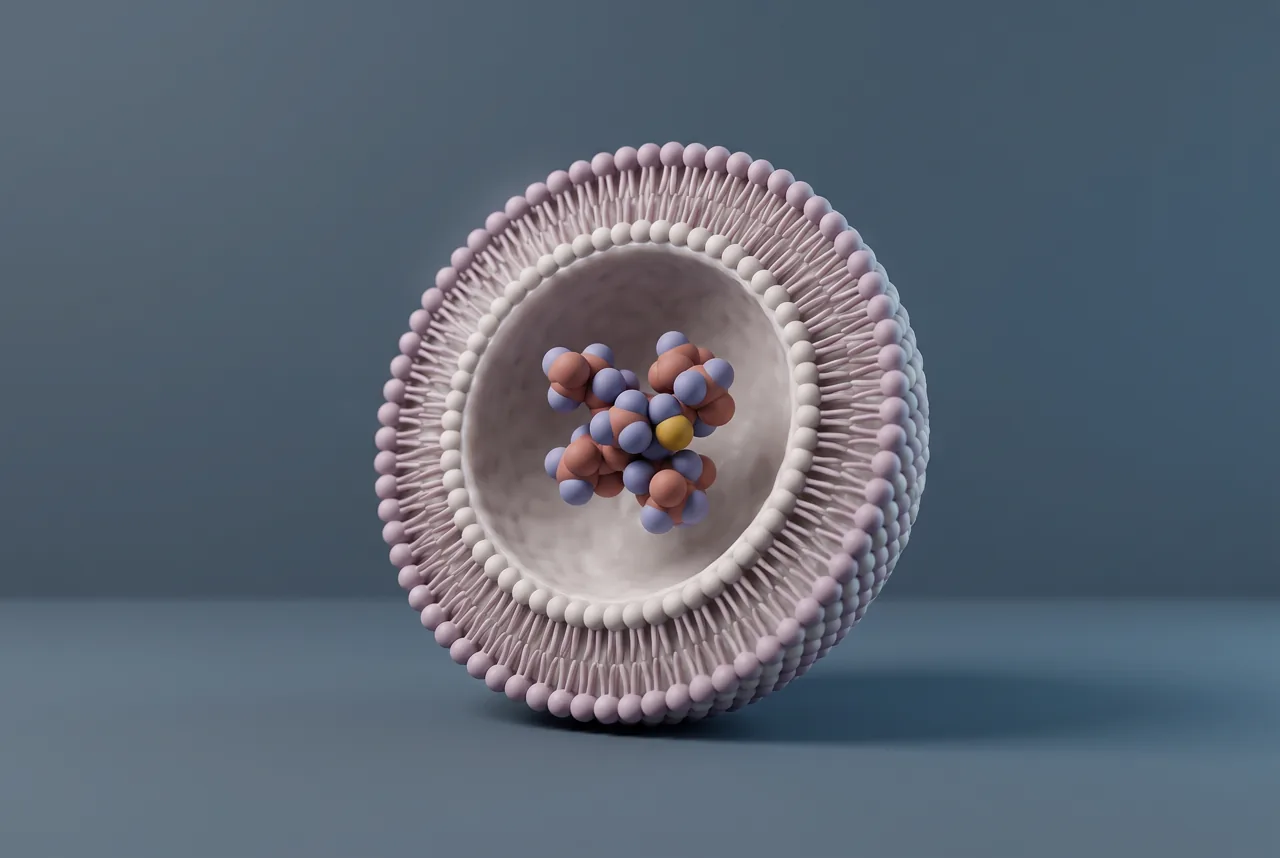
Nanotechnology
Carriers built at the scale of billionths of a metre — small enough to travel with a compound and release it where it is needed.
We investigate how active compounds can be protected, solubilised, targeted or delivered more effectively, and how nanoscale systems may improve stability, bioavailability, tissue interaction and local performance while supporting carefully controlled dosing.
investigate

Advanced-release formulations
Systems that control when, where and how an active compound is released.
We develop them to extend local residence time, improve adherence, protect sensitive ingredients, reduce dosing frequency and enhance clinical performance.
develop
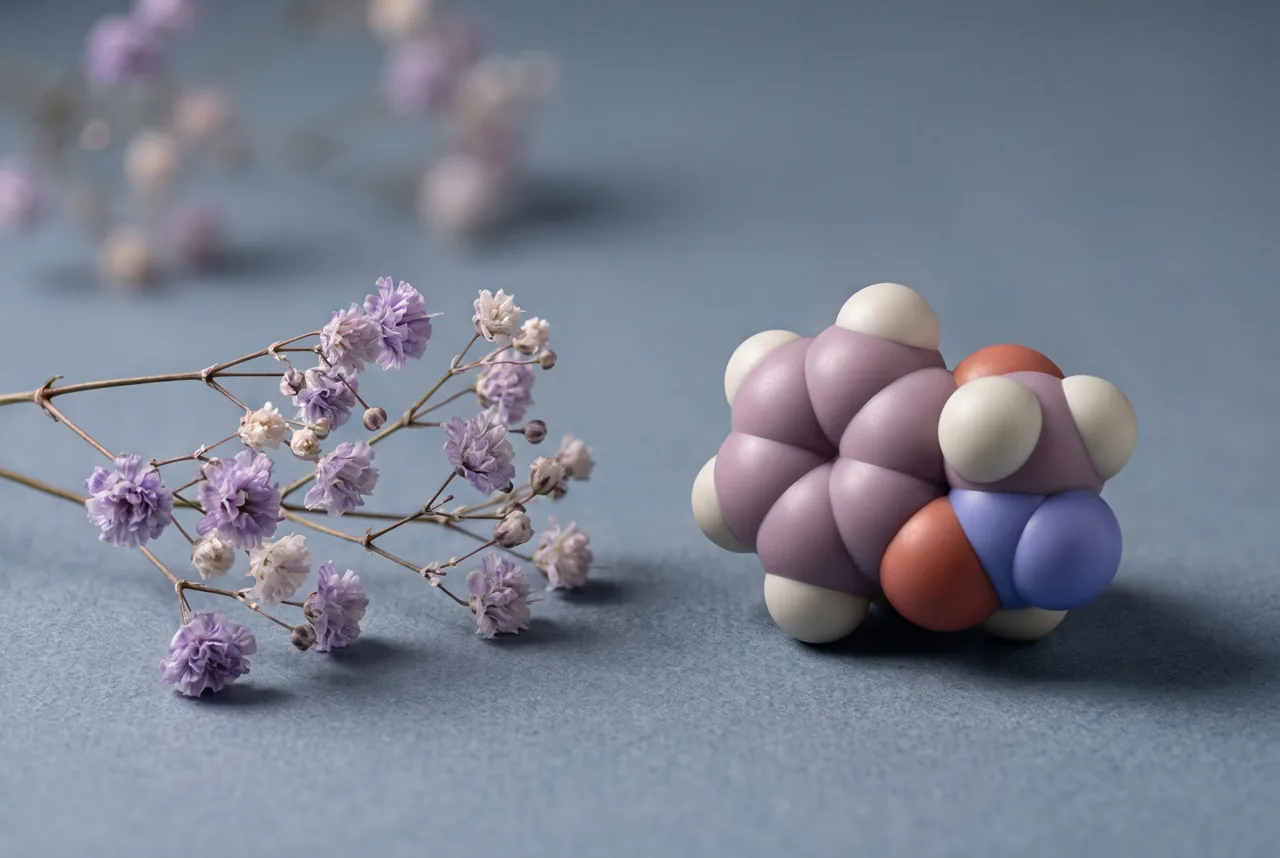
Natural compounds and nature-inspired design
Nature, biological pathways and traditional knowledge — put through evidence rather than taken on faith.
We investigate them systematically to identify mechanisms that may improve the standard of care. Scientific evidence guides the first nature-inspired formulations, which are then evaluated and optimised for efficacy, safety, stability and manufacturability.
investigate
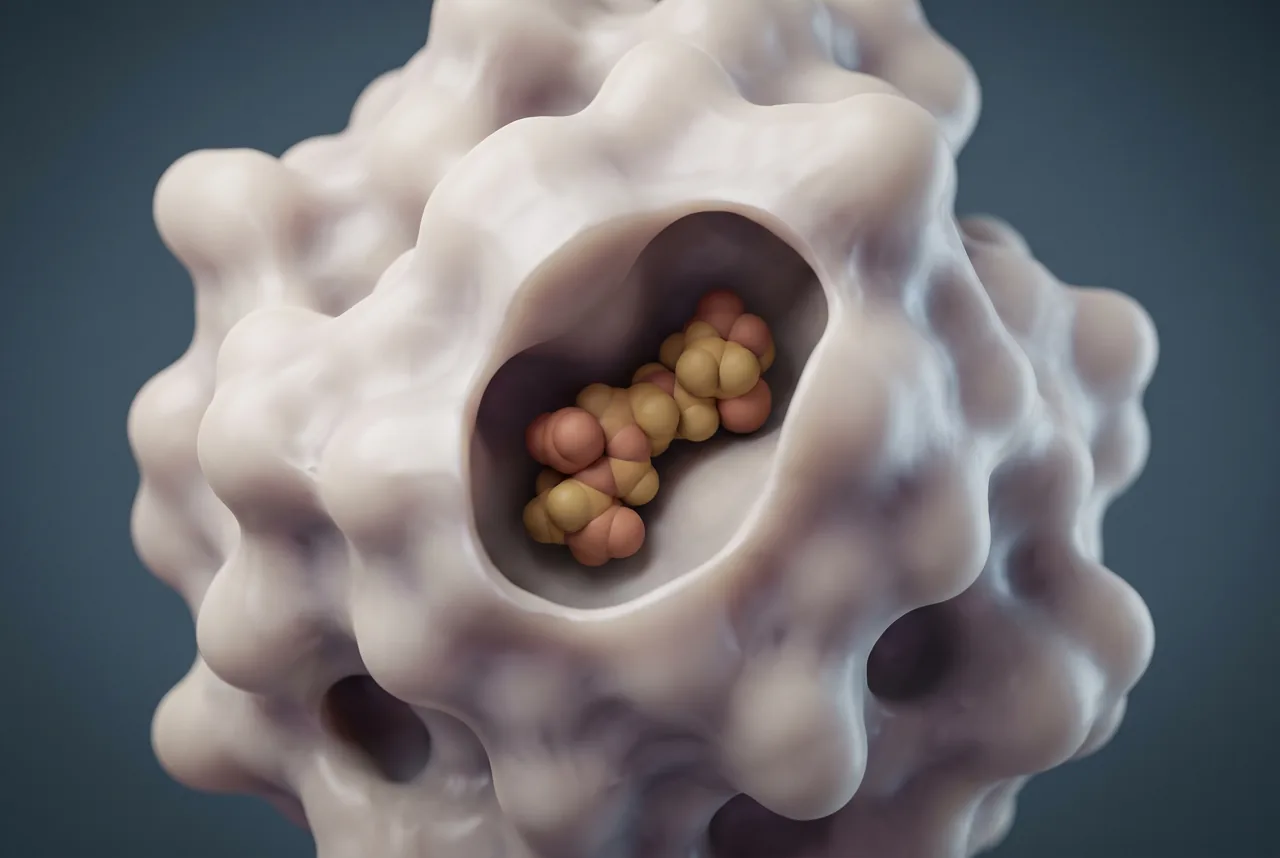
Artificial intelligence and computational design
Public and proprietary platforms that find patterns in biological data no person could hold in their head at once.
We use them, alongside computational modelling and molecular design, to identify opportunities and to optimise active compounds and formulations for efficacy, selectivity and safety.
use
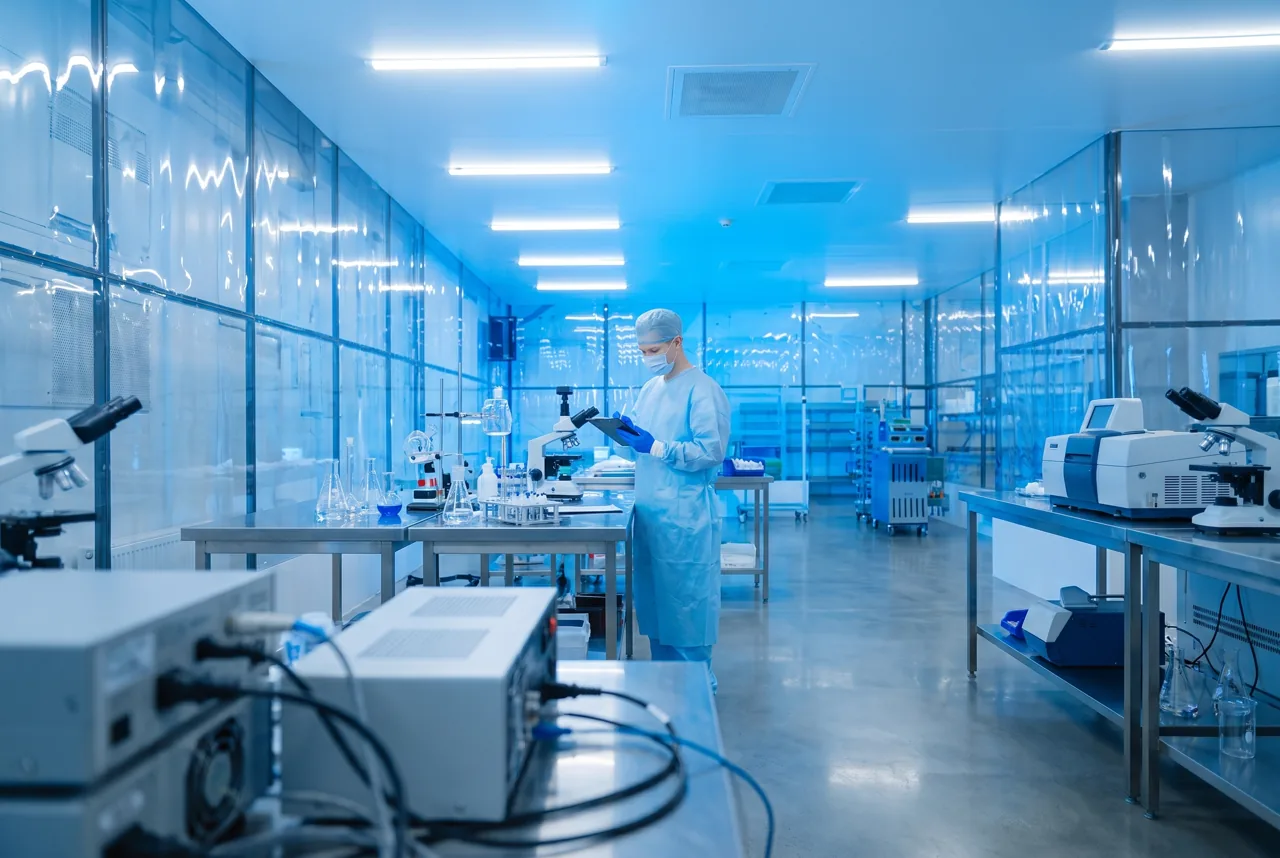
Pharmaceutical engineering and product ecosystems
Innovation beyond the active compound: the bottle, the applicator, the tool someone actually holds at five in the morning in a milking parlour.
We engineer complete product ecosystems that may include formulation technology, delivery systems, packaging and supporting tools, designed to improve the experience of veterinary professionals and animal caregivers.
engineer